China’s sanctions against foreign officials over their ties with Taiwan help Beijing project power and warn other governments, even as their financial impact and success in curbing engagement remain limited, analysts told Radio Free Asia.
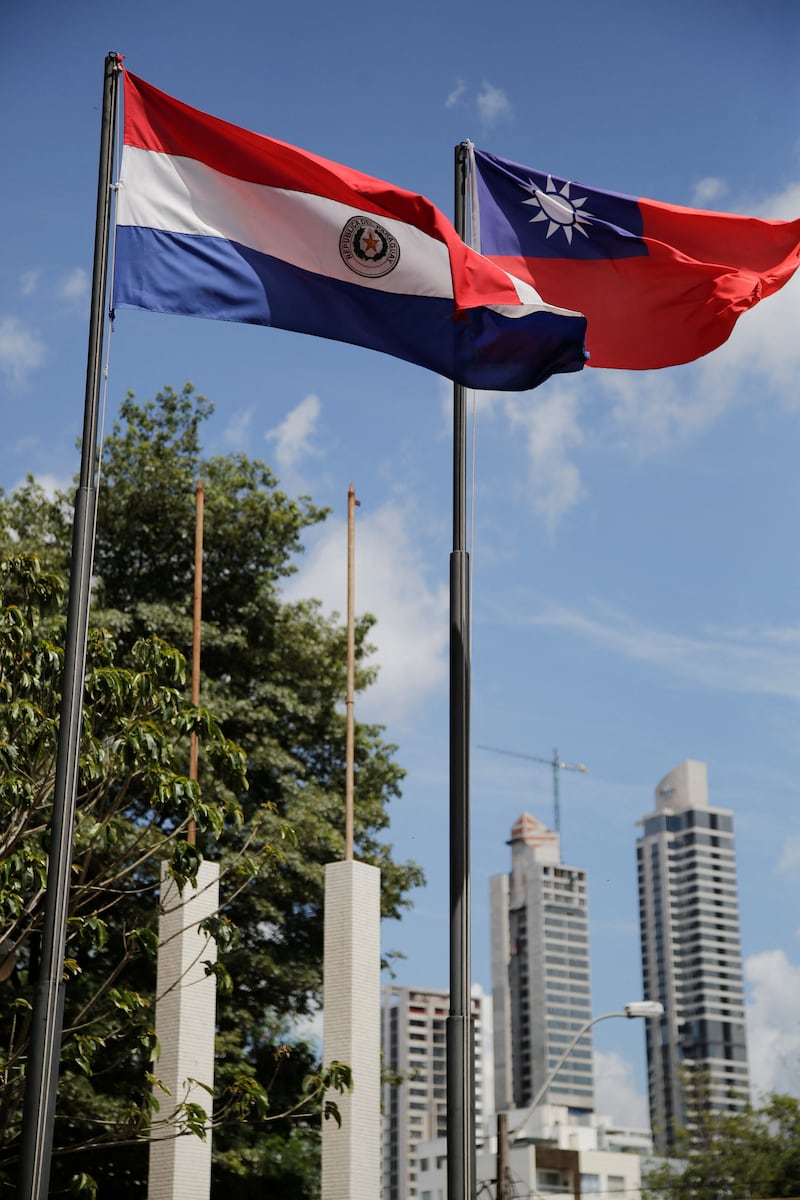
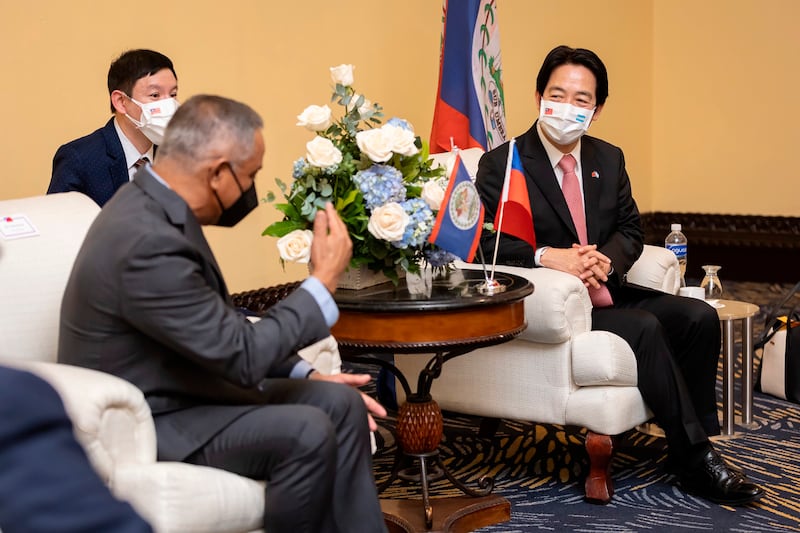
Beijing imposed sanctions on Oct. 12 against Paraguay’s information and communication technologies minister, Gustavo Villate, and Belize’s foreign minister, Francis Fonseca. Both countries maintain formal diplomatic relations with Taiwan rather than China.
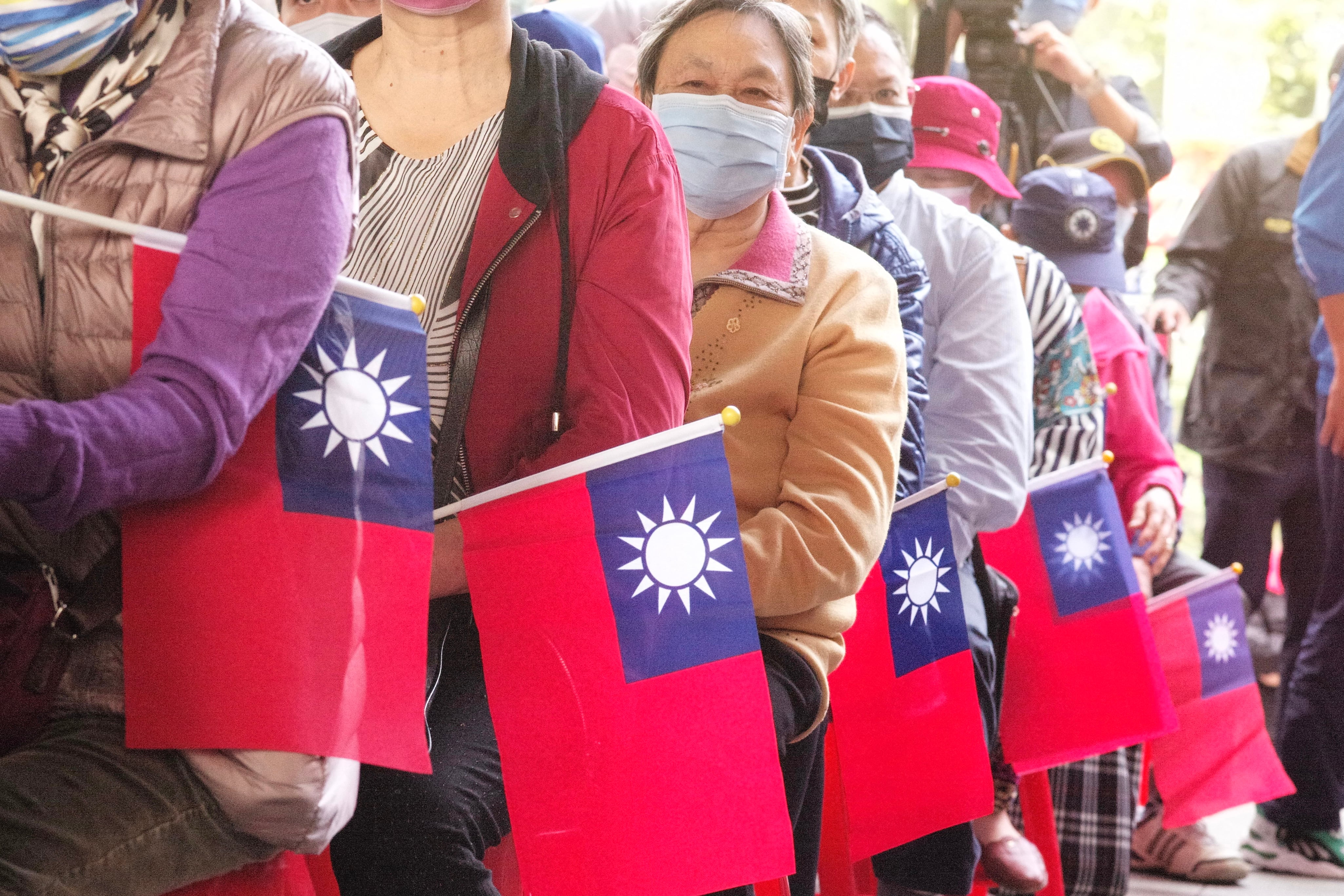
China claims Taiwan is an integral part of its territory and considers it a rogue province. Beijing has sought to persuade governments to switch recognition from Taiwan to China, reducing Taiwan’s network of embassies and official government-to-government relationships.
The Chinese government has described the sanctions as a “warning and deterrence.”
When China sanctions individuals they don’t quite have the same effect as U.S. or European sanctions, Ed Moon, an independent cross-Strait analyst and founder of intelligence site Strait Signal, told RFA.
“Chinese sanctions are unlikely to have significant impacts on people without major interests in the Chinese banking system, shareholdings or business interests,” he said.
But the penalties serve a purpose beyond imposing financial losses, said Moon. They signal to observers in China and abroad that Beijing can enforce restrictions when it believes its interests have been harmed, and can serve as a warning to countries closely connected to the Chinese economy about dealings with sanctioned individuals.
While sanctions could discourage engagement with Taiwan, there is little evidence that the strategy is causing isolation for Taipei, William Yang, a Northeast Asia analyst at the Belgium-based International Crisis Group, told RFA.
“We haven’t really seen a substantial level of retreat in terms of foreign parliamentarians’ trips to Taiwan or foreign governments’ cooperation with Taiwan,” Yang said.
The assessments point to a distinction between two types of sanctions: those that impose measurable costs and those whose principal effect is to publicize Beijing’s opposition to Taiwan’s international relationships.
Isolating Taiwan
Only 12 countries retain formal diplomatic relations with Taipei. Taiwan also maintains extensive unofficial relationships with countries that recognize Beijing. Those ties include trade, investment and parliamentary exchanges, explaining why China’s penalties have targeted politicians beyond Taiwan’s formal diplomatic allies.
Yang said Beijing’s campaign is meant to show Taiwan’s government and people that it has the power to restrict international engagement with Taipei, while simultaneously showing foreign governments that there will be consequences for treating Taiwan as a sovereign state.
He added Beijing believes its economic influence gives it leverage to intimidate politicians and governments considering closer engagement with Taipei.
Chinese Foreign Ministry spokesperson Mao Ning said during an Oct. 12 press briefing that the ministers from Paraguay and Belize were sanctioned for supporting Taiwan independence through their contacts with Taipei and spreading false allegations about Chinese cyberattacks.
The next day, Taiwan’s Premier Cho Jung-tai said that Beijing had no right to interfere in Taiwan’s internal affairs or influence its foreign relations. He said Taiwan would continue working with its allies and other democratic governments to defend freedom and democracy and maintain regional peace and security.
Paraguay and Belize also rejected the sanctions. Paraguay’s Foreign Ministry reaffirmed its support for Taiwan, while Belize said the penalties would not alter its foreign policy and defended its relationship with Taipei as a sovereign decision.
Their cooperation involves more than diplomatic recognition. Paraguayan President Santiago Peña visited Taiwan in May, signing agreements covering cybersecurity, artificial intelligence and computing investment, among other areas. Taiwan’s Foreign Minister Lin Chia-lung visited Belize in September to deepen bilateral ties.
Do Chinese sanctions work?
Previous cases of Chinese sanctions show the difficulty of turning personal penalties into lasting restrictions on engagement.
In June, China confirmed entry restrictions against New Zealand lawmakers following their visit to Taiwan. Beijing said their trip interfered in China’s internal affairs.
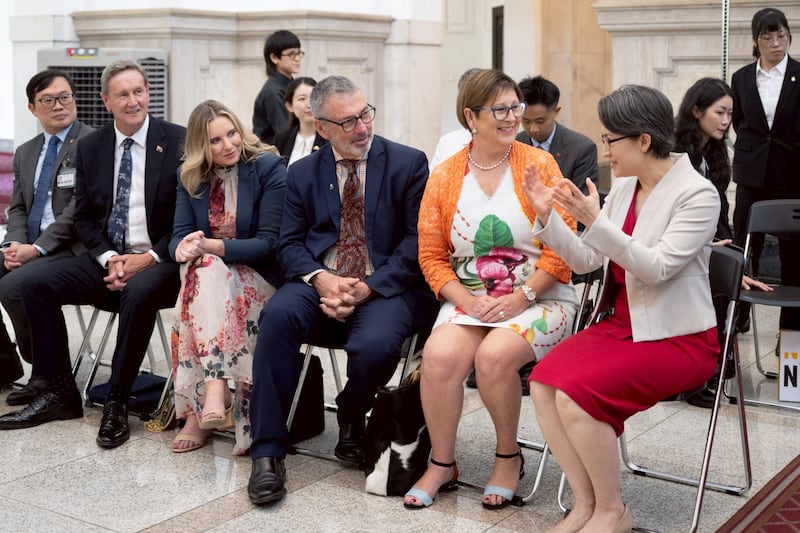
In August 2022, China sanctioned Lithuania’s deputy transport minister, Agnė Vaiciukevičiūtė, after she visited Taiwan. Beijing also suspended exchanges with Vilnius’ transport ministry and paused certain international transportation agreements between the two countries.
That action formed part of a wider dispute after Lithuania allowed a Taiwanese representative office to open in the country in 2021. China downgraded diplomatic relations over the decision.
Cooperation with Taiwan nevertheless continued. Lithuania’s Foreign Ministry reported discussions in April 2026 on strengthening economic and technological ties.
The broader outcome is more complicated. Lithuania’s prime minister described the original representative-office decision as a mistake in February as the country sought to repair relations with Beijing.
Because the dispute involved broader diplomatic and economic pressure, analysts say it is difficult to isolate the impact of sanctions against a single official.
Moon said the same difficulty applied to Paraguay and Belize – Beijing has used various public and private forms of pressure for years, so any subsequent policy change could not automatically be attributed to the latest sanctions.
He said changes in diplomatic language, visits and, at the most dramatic end, diplomatic recognition would provide indicators of whether the relationships were shifting.
Past sanctions have also produced backlash.
In March 2021, Beijing sanctioned European lawmakers and institutions in retaliation for European Union sanctions over human rights abuses in the Xinjiang Uyghur Autonomous Region. Although the dispute concerned human rights rather than Taiwan, it similarly targeted individual politicians and their institutions.
The European Parliament responded by freezing consideration of an EU-China investment agreement while the Chinese sanctions remained in place. Beijing lifted the sanctions affecting the EU Parliament’s members and committees in 2025.
Moon said sanctions could carry greater economic weight when directed at people or companies with business interests in China, including in Taiwan.
In a separate action on Oct. 14, Beijing announced restrictions against VWAY, a company linked to the father of Taiwanese legislator and Taipei mayoral candidate Puma Shen.
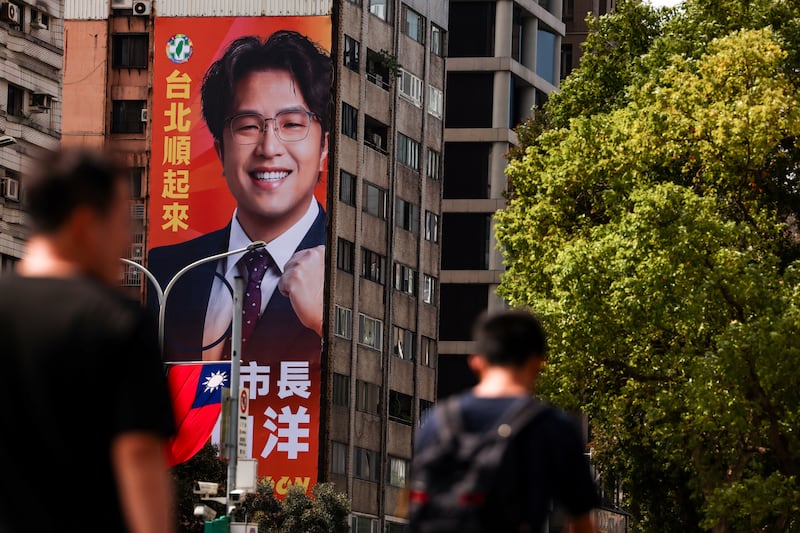
China’s Taiwan Affairs Office accused Shen’s father of using VWAY to continue trading with Chinese firms after sanctions were placed on another of his businesses.
Moon cautioned that Taiwan-related business sanctions were not directly comparable with penalties against foreign governments’ officials, given Beijing’s position that Taiwan is part of China.
Yang said the sanctions’ limited results so far did not rule out a stronger deterrent effect in the future. Responses by Taiwan’s remaining diplomatic allies, including whether they protested collectively or moved toward recognizing Beijing, would be important to watch, he said.
“So far it seems like at least the government of Paraguay and Belize are holding their lines,” said Yang.
Beijing could still regard the publicity itself as a result, reinforcing its claims over Taiwan and demonstrating that engagement with Taipei carried consequences, Moon said.
“But I think for Beijing the mere fact it has created a news cycle out of the sanctions will mean it has achieved the desired effect of reinforcing its claims over Taiwan and showing there are consequences, however limited, to siding with Taipei.”
Edited by Eugene Whong.