PORT MORESBY, Papua New Guinea – Papua New Guinea’s decision to close Taiwan’s trade office in Port Moresby is puzzling from a diplomatic standpoint, but it signals a coming expansion of its economic relationship with China, experts told Radio Free Asia.
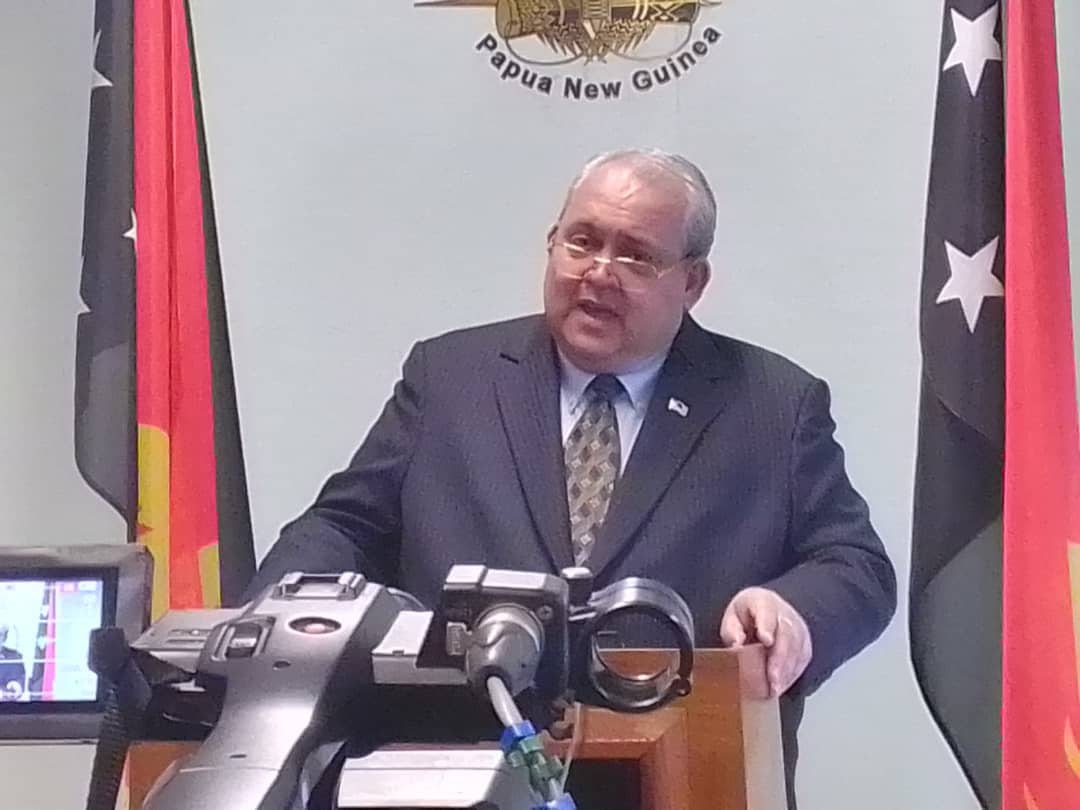
Last month, PNG’s Foreign Affairs Minister Justin Tkatchenko announced in an official statement the immediate cessation of operations and the formal closure of the physical presence of the Chinese Taipei Economics Office, citing Port Moresby’s “unwavering commitment to honoring, respecting and upholding Papua New Guinea’s foundational One-China Policy,” which aligns with Beijing’s view, the “One-China Principle,” which states that Taiwan is an inalienable part of its territory.
The decision was confusing, Paul Barker, executive director of the PNG Institute of National Affairs, a Port Moresby-based think tank, told RFA.
“One really wonders why one would take this action at this point,” he said. “PNG has always stated its position of friends to all and enemies to none and choosing to chart its own path in the region, together with its Pacific partners and its ASEAN colleagues.”
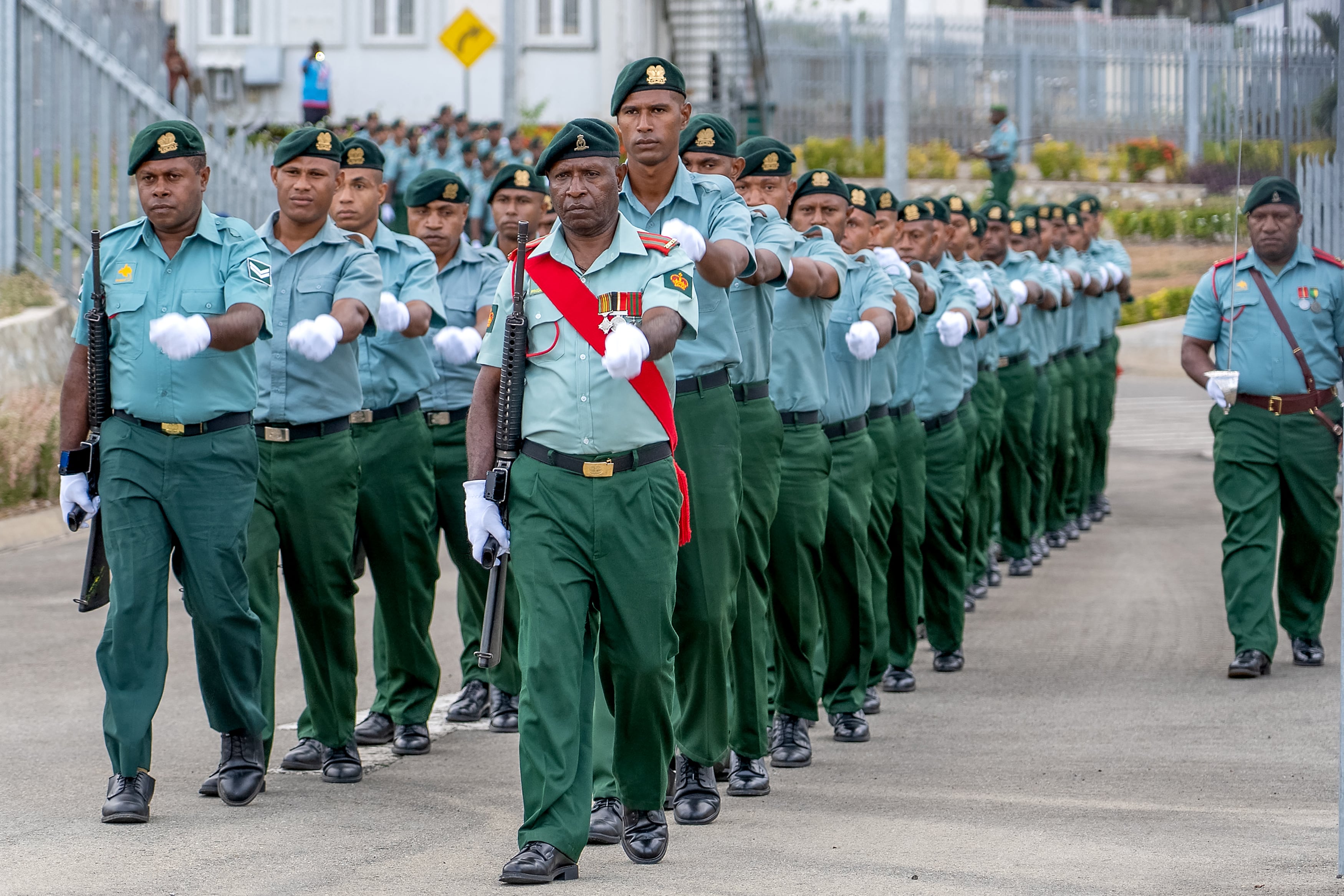
Barker noted that PNG last year signed a mutual defense treaty with Australia, and has defense arrangements with other regional parties including China, Indonesia and the U.S.
“PNG recognized the One China Policy almost immediately after independence, but has also maintained ongoing trade, investment and cultural and related engagement with Taiwan throughout, which seems entirely reasonable, after all so does China with Taiwan, with many aspects of their economies quite connected,” Barker said.
One China?
PNG’s One-China Policy differs from a policy by the same name held by the United States government. While Port Moresby’s policy recognizes Beijing’s view, the U.S. policy merely acknowledges it and takes no official stance on Taiwan’s sovereignty. Both policies recognize the PRC government as the sole and legal government of China and in practice this has still left room for unofficial relations with Taiwan, and similar arrangements exist in many countries around the world.
But unofficial relations with Taipei and Papua New Guinea will soon cease, according to Tkatchenko’s statement.
Taiwan’s Ministry of Foreign Affairs strongly protested the closure of its office, vowing to continue to operate it “as normal.”
It was not immediately clear to RFA what it would mean to operate the office as normal when it is not recognized by the host government.
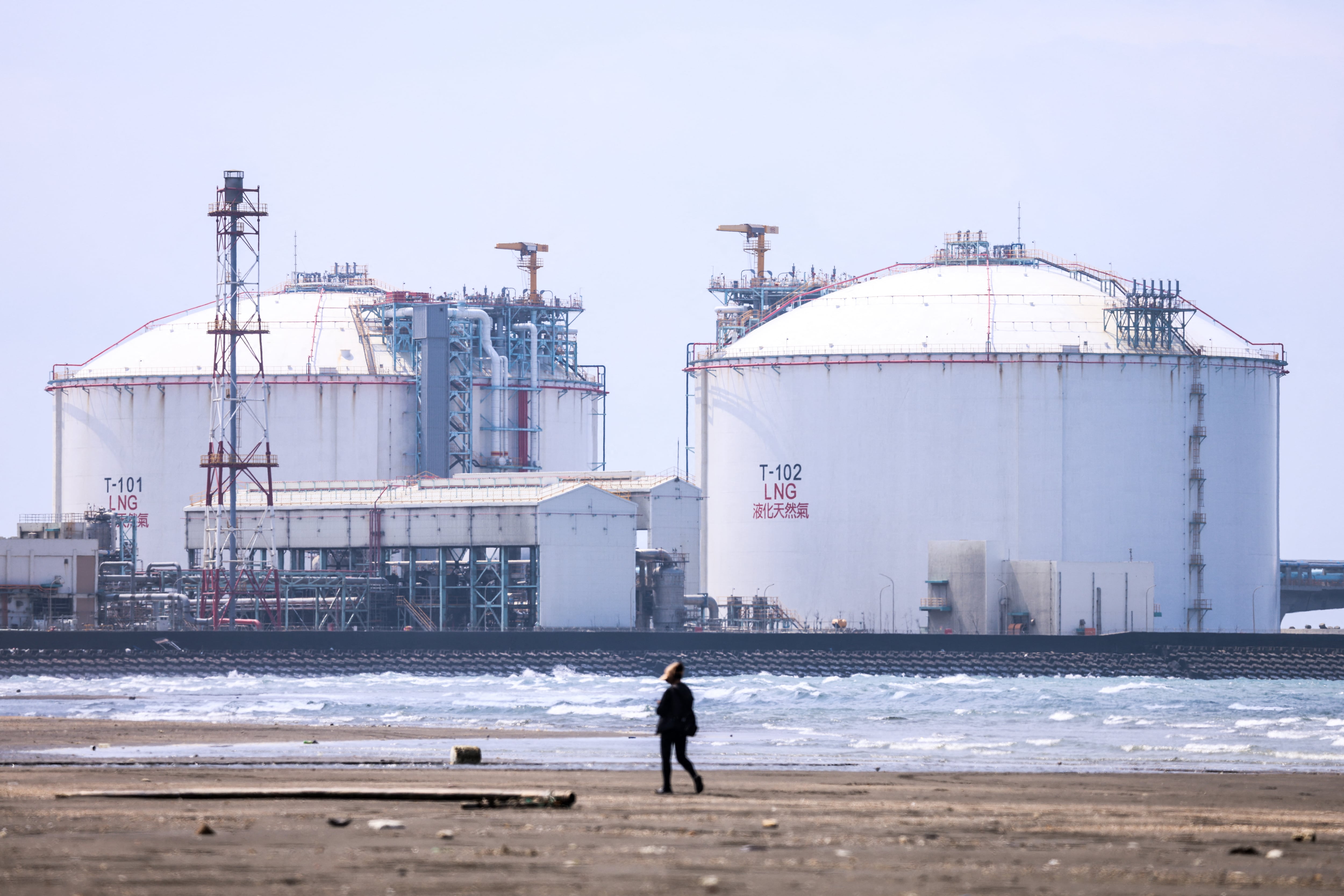
In the wake of the decision, Taiwan initiated a review of liquefied natural gas imports from PNG and decided to halt spot purchases, which prompted Beijing to announce it would increase its purchases of the commodity from the Pacific Island country.
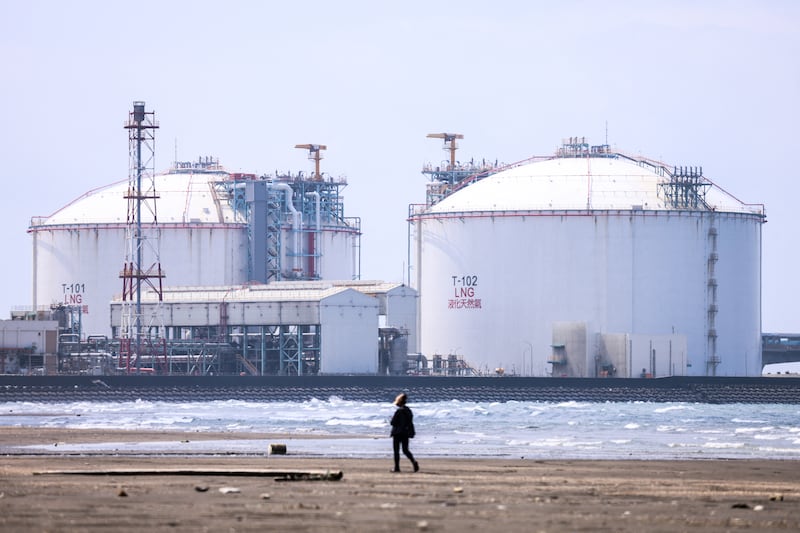
Taiwan’s response follows a pattern of cutting ties with governments that downgrade its status, Jonah Bock, assistant director for research at the Alliance Futures Initiative, a Washington-based think tank, told RFA.
“It is important for Taiwan to maintain even informal ties with states that do not recognize it,” Bock said. “But it is necessary to send a signal that these actions taken will not go unpunished. The audience is not just Port Moresby but every other country with ties to Taiwan.”
Bock said that the closure of Taiwan’s office in PNG was part of a larger campaign to further isolate Taiwan.
“In the Pacific Islands only three countries—Palau, the Marshall Islands, and Tuvalu—still recognize Taiwan and none appear poised to flip recognition in the short term,” Bock said. “But recognition is only part of Beijing’s objectives; it also seeks to eliminate Taiwan’s remaining international space. That means going after Taiwan’s continuing relationships—e.g. the closing of the Taipei Trade Office in PNG.”
Bock noted how similar measures have been occurring in various areas of the Pacific, with Fiji having closed its office in Taipei in 2017 and having revoked diplomatic privileges to Taiwan’s office in Suva in 2018. Bock further noted that PNG itself closed its trade office in Taipei in 2023, and Nauru directed all government officials to uphold the One-China Principle in all activities last year.
“Chinese diplomats in the region are already working to push other countries to end their own ties to Taiwan,” he said. “Short of unification, none of this stops. China will continue to aggressively pursue any action that reduces Taiwan’s international space—its ethos of national rejuvenation relies on unification. It is not an option for China to stop the contest.”
Beyond geopolitics and trade
Barker explained that the decision would affect more than gas exports and trade.
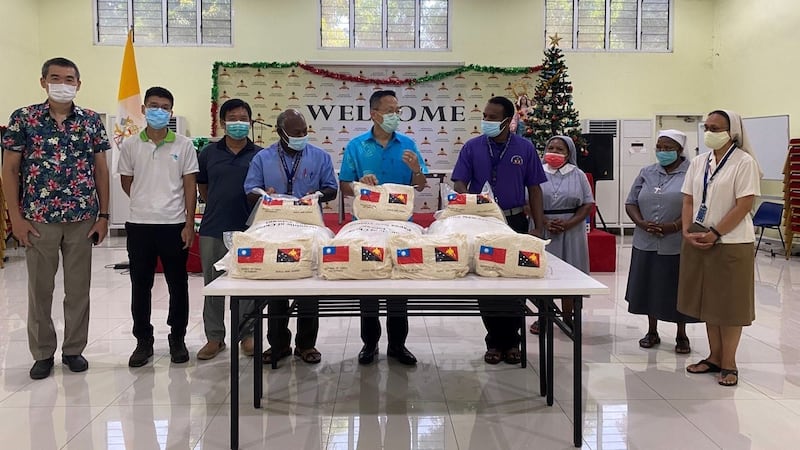
“Educational and cultural links are also strong with scholarships and exchanges, with some useful ongoing development programs in agriculture, and valued investment in PNG,” he said. “The cultural associations between Taiwan and its indigenous population and PNG and the Pacific, of course, go far back, with the dispersion of people from Taiwan and the origins of the Austronesian language stemming from Taiwan going back some 6,000 years.”
He said the cultural links to the indigenous people of Taiwan meant that PNG should try to maintain some sort of engagement with Taipei and that this should not undermine any relationship it has with Beijing.
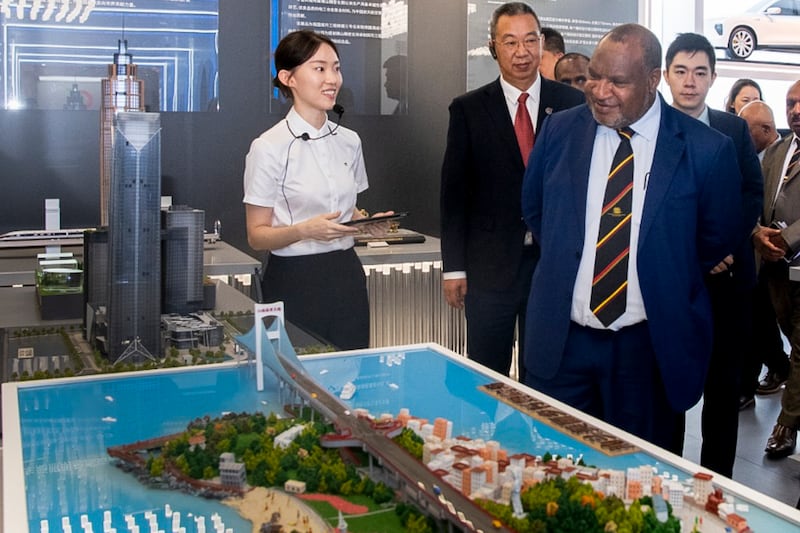
But Bock said that money talks, and although the office’s closure does not appear to be in PNG’s economic interest in the short term due to cancelled Taiwanese contracts, the timing suggests that arrangements for expanding the economic relationship with China must be in place.
“The move is to curry favor with the PRC and the goal is vast sums of Chinese money,” Bock said.
He explained how Prime Minister James Marape visited China in April to explore increasing trade and investment, then in May, the two countries signed an economic framework agreement, and in July the two sides held high-level discussions about the coming PNG-China Business Forum & Trade Expo in Guangzhou.
“In the months prior to the closure, China and PNG laid the groundwork for a much larger economic relationship. Closing the office is PNG’s payment to ensure China delivers.”
Editing and additional reporting by Eugene Whong in Washington.