HONIARA, Solomon Islands – Volatile domestic politics in the Solomon Islands has the potential to be the Achilles heel of U.S. and Australian security strategy in the Pacific, experts told Radio Free Asia, after Prime Minister Matthew Wale was nearly ousted less than four months into his term.
Wale was forced to abruptly abandon an annual meeting of leaders of member nations of the Pacific Islands Forum, or PIF, in Palau last week to scramble back to Honiara after his Home Affairs Minister, Manasseh Maelanga, launched a surprise no-confidence motion in his leadership.
Although Maelanga withdrew the motion at the last minute, sparing the nation from inaugurating its third head of government in a single calendar year, the chaos effectively paralyzed crucial momentum on a regional security architecture designed to counterbalance China that was to have been discussed at the PIF meeting.
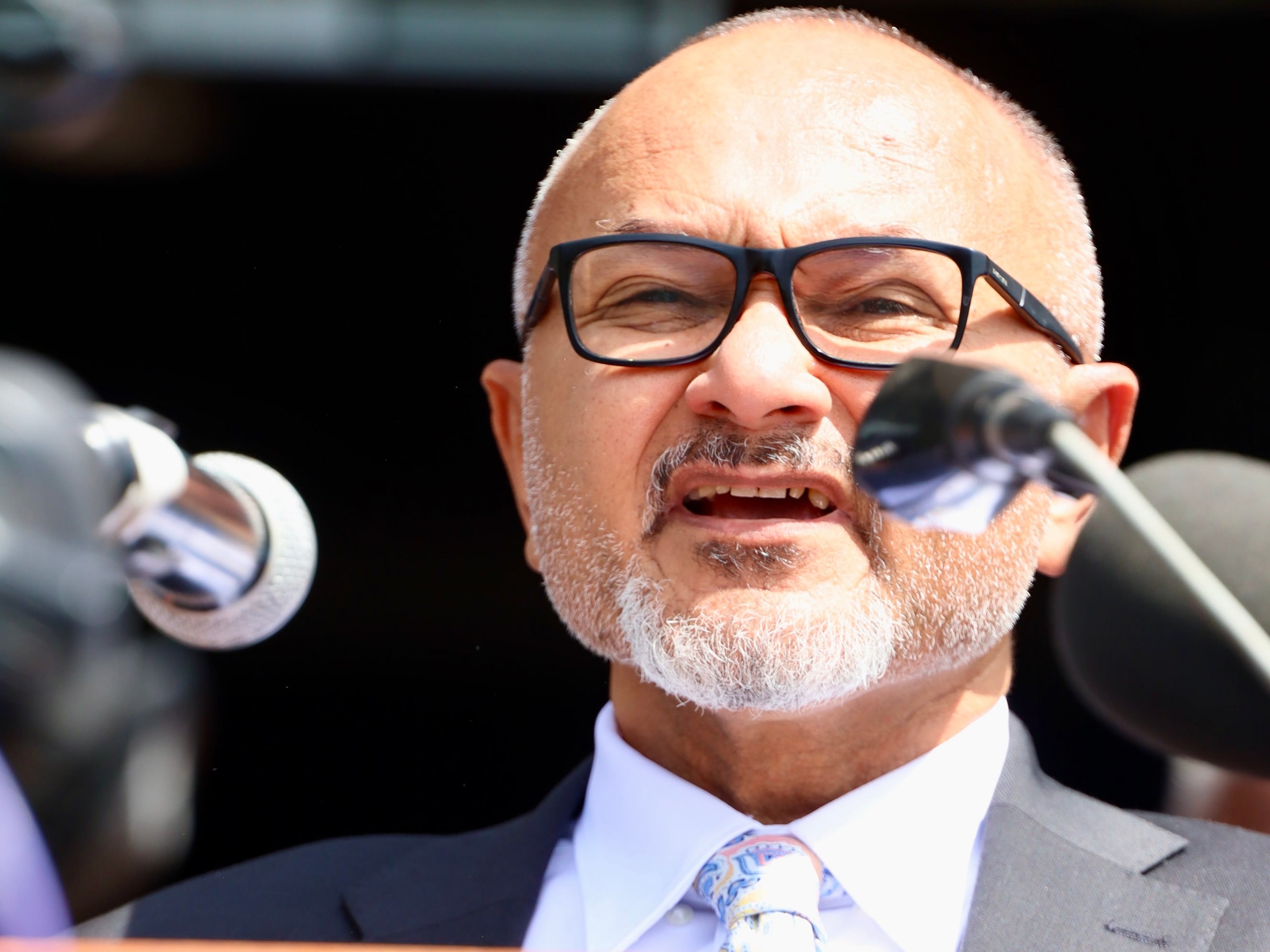
High-stakes international diplomacy remains perpetually hostage to the volatile domestic politics of small island states, Alexander Vuving of the Hawaii-based Daniel K. Inouye Asia-Pacific Center told RFA.
“The nature of Solomon Islands politics is that it’s primarily personality-driven,” Vuving said. “Given the heightened great power competition over the country, this geopolitical factor is likely to be involved. But it must be ‘filtered’ through domestic personality politics.”
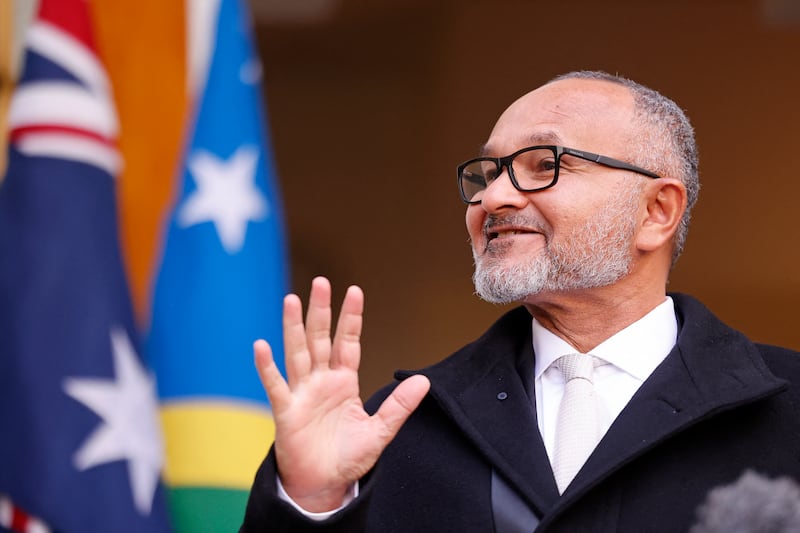
Wale’s election in May was lauded by the U.S., Australia, and others as it was taken to mean that the country would enact policies more in line with Washington and Canberra than his predecessors Jeremiah Manele and Manasseh Sogavare, widely seen as having had pro-Chinese leanings.
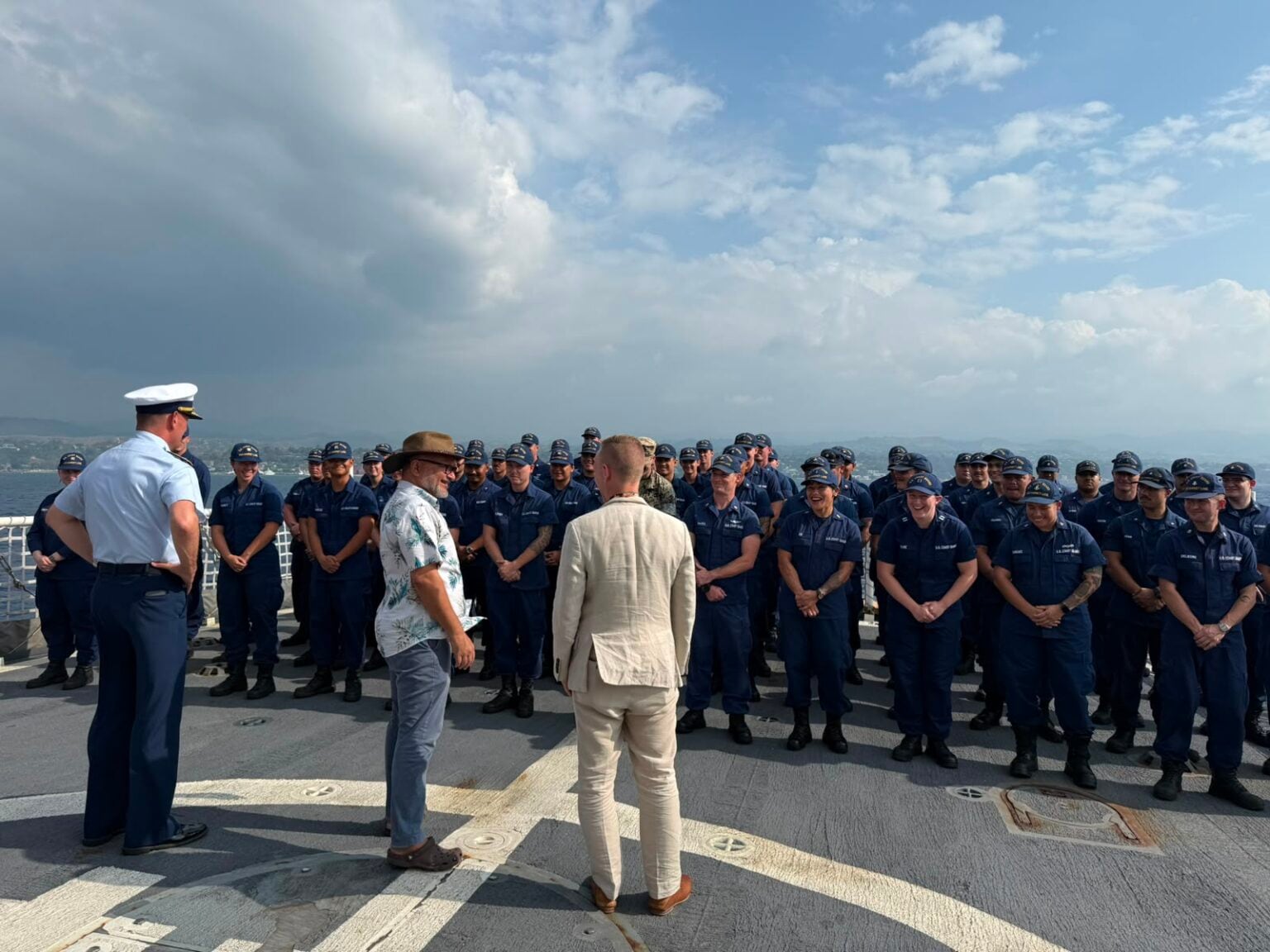
Since coming to power, Wale has ordered a review on a controversial and secretive security pact with his predecessors signed with Beijing in 2022, and started negotiations with Canberra on a bilateral security and economic treaty. Meanwhile, Honiara in July signed a shiprider agreement with Washington, which allows Solomon Islands law enforcement to patrol the seas on U.S. Coast Guard vessels.
Vuving noted that while Prime Minister Wale’s pivot to the West remains active, its momentum will be highly unpredictable in the coming months.
In a 50-seat parliament dominated by personality-driven coalitions rather than ideology, prime ministers exist in a permanent state of survival mode, he said. When executive leadership is consumed by maintaining numerical supremacy, long-term statecraft is routinely discarded for short-term transactional survival. Agreements signed in the spring risk becoming obsolete by autumn, Vuving added.
This structural paralysis carries major global implications due to the Solomon Islands’ strategic location, Vuving said.
“It controls critical undersea telecommunication cables routing between Asia and the Americas, alongside massive Exclusive Economic Zones (EEZs) rich in seabed minerals required for future defense and green-tech industries,” he said. “Great powers are aggressively competing to secure these networks and exclude rivals, yet domestic instability opens the door wide for deep-pocketed foreign actors to deploy ‘chequebook diplomacy’ to buy backbench loyalty or tear coalitions apart.”
For countries looking to engage with the Solomon Islands, consistency is key, Kathryn Paik, deputy Australia Chair director at the Washington-based Center for Strategic and International Studies, told RFA.
“While Solomon Islands domestic politics can make diplomacy with Honiara challenging, it also makes having consistent diplomatic engagement with the Solomon Islands that much more critical,” she said. “Without a confirmed U.S. ambassador on the ground in Honiara, the U.S. will struggle to stay effectively engaged in this dynamic environment.”
The last U.S. ambassador responsible to the Solomon Islands, Papua New Guinea and Vanuatu ended her term in January, and a replacement for her duties has not yet been nominated.
At present there are no U.S. ambassadors in the Pacific region.
Hasty return
Wale’s abrupt return to Honiara from the PIF leaders meeting in Palau drew blunt criticism from New Zealand Foreign Minister Winston Peters, who condemned the political maneuvering, because it stalls collective Pacific security actions.
Peters told Solomon Islands media outlet Tavuli News that Wale’s departure was disappointing for other leaders at the Forum.
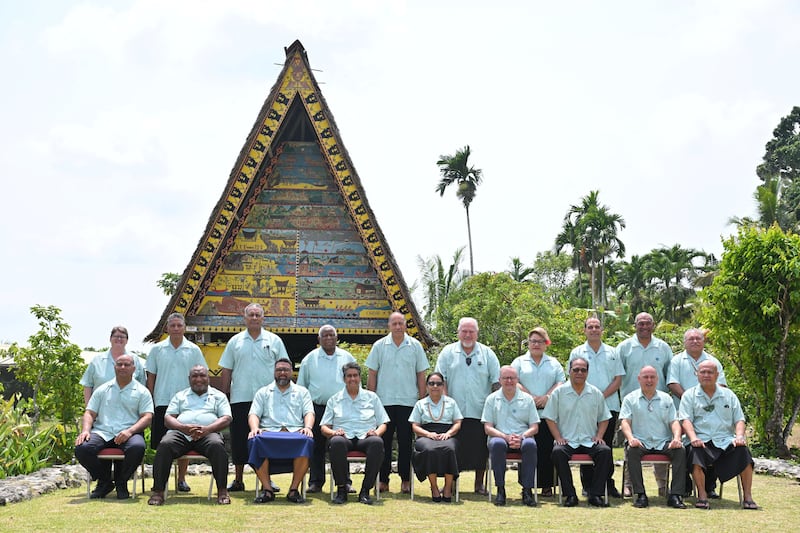
“He had to get the next plane, and President Whipps had to take him,” he said, referring to Palau’s President Surangel Whipps Jr. “That shows how saddened Whipps was by that, we all were, that Wale had to go home. But at least they’re trying.”
He said Wale’s absence could affect discussions on regional security.
In July, while serving as PIF chair, Wale said there was “growing consensus” among Pacific countries for a regional security treaty.
Peters said the proposal was likely to be discussed during the Leaders Meeting, but described Wale’s absence as a “setback.”
Wale was one of six PIF leaders – one third of the entire group – that did not attend the meeting.
Though many different factors played a roll in preventing their attendance, the absence of so many of the leaders was “unfortunate,” Paik said.
“For Prime Minister Wale, domestic politics required his absence, which meant that he was not able to promote his vision for regionalism and for a more formalized regional security pact with other leaders,” she said.
Aussie pivot
Honiara and Canberra over the past few months have drawn closer together under Wale’s leadership – classified correspondence between high ranking officials in each government that recently surfaced across digital platforms in Honiara indicates that Australia and the Solomon Islands have secured a preliminary consensus on a transformative bilateral security pact.
The leaked messages show that the Australian government has committed a substantial financial injection exceeding $980 million in supplementary aid—a move widely interpreted as an effort to stabilize Wale’s ruling coalition and finalize the strategic security agreement.
But political rivals have cast the correspondence as foreign interference. In a public statement, former Prime Minister Sogavare, as leader of the opposition wrote that it was “deeply concerned by communications that appear to reveal an extraordinary attempt to use prospective Australian financial assistance and bilateral treaty negotiations to influence the outcome of Solomon Islands’ domestic political processes.”
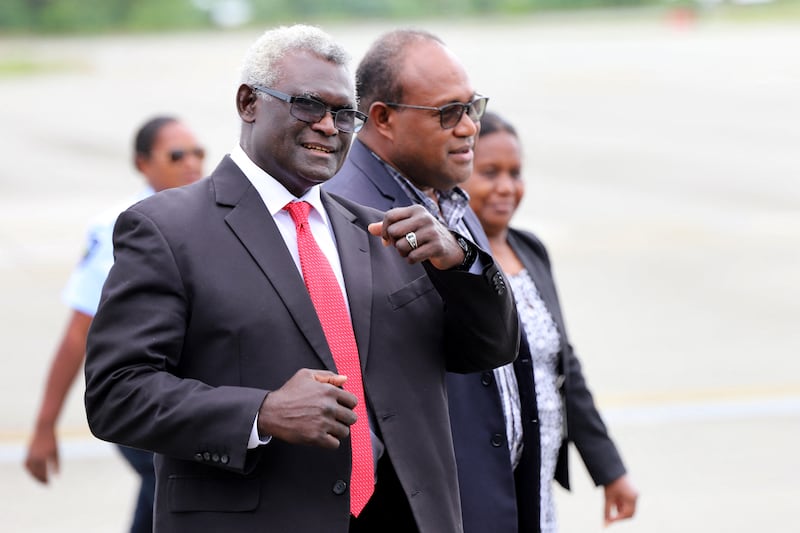
According to the statement, the messages suggested the two countries “stand together” to defeat the no confidence motion.
Sogavare said that no confidence motions are not instruments of foreign policy, and a government’s survival or failure must be determined by the consciences of members of parliament, not by the “prospect of foreign funding.”
Deputy Prime Minister Sade firmly rejected suggestions that the communications were politically motivated, describing them as routine updates on the Community Partnerships Program and treaty discussions.
“If there is good progress that benefits our country, why should petty politics be used to disadvantage or undermine such welcoming news?” Sade said, emphasizing that positive developments should be shared with fellow Members of Parliament rather than turned into political ammunition.
Editing and additional reporting by Eugene Whong in Washington.